
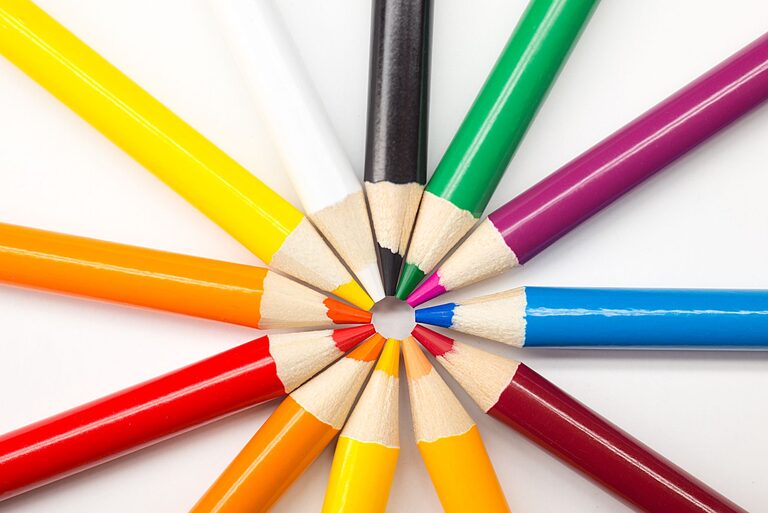
Creating art is a wonderful way for kids to express themselves, learn new skills, and have fun. However, it often results in piles of drawings, paintings, and crafts that can quickly take over your home. Keeping kids’ artwork organized not only helps maintain a tidy space but also allows you to cherish and revisit their creative milestones easily.
If you’re wondering how to manage the ever-growing collection of your children’s masterpieces without feeling overwhelmed, this guide offers practical tips to keep kids’ art organized and accessible.
Why Organize Kids’ Artwork?
Before diving into tips, it’s helpful to understand the benefits of organization:
– Preserves Memories: Organized artwork creates a timeline of your child’s progress and creativity.
– Reduces Clutter: Avoids the frustration and mess of scattered papers and projects.
– Teaches Kids Responsibility: Encourages children to take care of their creations.
– Makes Display Easy: Helps showcase favorite pieces without chaos.
With these goals in mind, let’s explore effective strategies.
1. Designate an Art Storage Spot
Having a specific place to collect artwork prevents it from spreading all over the house.
Ideas for Storage Locations
– A large box or bin with a lid, labeled by year or child.
– A filing cabinet or portable file box with hanging folders.
– A wide drawer or tray dedicated to art supplies and finished pieces.
Choose a spot accessible for both you and your child. This encourages them to contribute in maintaining the collection.
2. Set Up an Artwork Display Area
Displaying kids’ art shows appreciation and adds a personal touch to your home décor.
Display Ideas
– Gallery Wall: Use frames or clipboards to create a rotating art gallery.
– String and Clips: Hang a string with clothespins to easily swap out new pieces.
– Bulletin Boards or Corkboards: Pin artwork for a flexible and colorful display.
Rotate artwork regularly, and when new creations come in, consider which pieces can be stored or recycled.
3. Sort and Select Favorites
It’s impossible to keep every drawing or craft your child makes. Sorting and selecting favorites helps manage the collection.
Sorting Tips
– Regular Review Sessions: Set a monthly or seasonal time to go through the art.
– Involve Your Child: Ask them to choose their best or most meaningful pieces.
– Categorize: Group art by theme, date, or type (paintings, drawings, 3D crafts).
This practice makes storage more manageable and meaningful.
4. Use Digital Archiving
Digitizing artwork is a space-saving method that lets you keep every creation without physical clutter.
How to Digitize
– Take clear photos or scan art pieces.
– Organize images in folders by date or child.
– Use photo books or digital frames to enjoy the collection.
Apps and online services dedicated to kids’ art archives can simplify this process.
5. Create Art Books or Portfolios
Turn collections into beautiful keepsakes by compiling art into books or portfolios.
Tips for Making Art Books
– Use scrapbook albums or binders with plastic sleeves.
– Add notes about the artwork and dates.
– Print photo books using digital images for a polished look.
This is an excellent way to keep memories accessible and organized.
6. Repurpose Artwork Creatively
Transform art into practical or decorative items to give them new life.
Ideas for Repurposing
– Wrap gifts with drawings or paintings.
– Create greeting cards using cutouts.
– Laminate pieces as placemats or bookmarks.
This not only reduces storage needs but also lets kids share their creativity.
7. Establish Rules for New Art
Setting clear guidelines helps prevent artwork from piling up uncontrollably.
Possible Rules
– Limit the number of new pieces kept each week.
– Store only completed or signed work.
– Encourage regular cleanup of art materials and workspace.
Being consistent with rules helps children understand organization importance.
8. Keep Art Supplies Organized
Organizing art supplies complements artwork organization by creating a neat creative space.
Supply Organization Tips
– Use containers or drawers to separate paints, crayons, paper, etc.
– Label storage bins clearly.
– Make supplies easy to reach for kids to encourage independent creativity.
A tidy workspace reduces mess and makes creating more enjoyable.
Final Thoughts
Keeping kids’ art organized takes some effort but offers rewarding results. With designated storage, thoughtful display, regular sorting, and creative repurposing, you can celebrate your children’s creativity while maintaining a clutter-free home. Remember to involve your kids in the process—it’s a wonderful opportunity to teach them about organization and to appreciate their artistic journey together.