
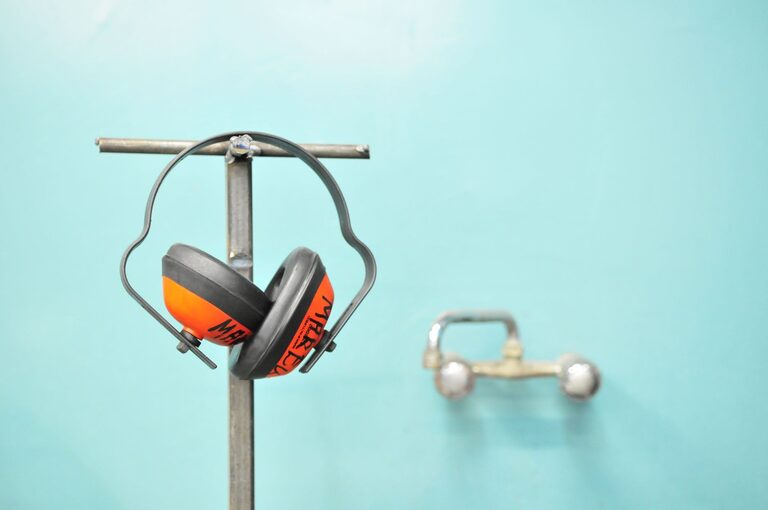
Creating a quiet and peaceful home environment is essential for relaxation, concentration, and overall wellbeing. Whether you live in a busy city, a noisy neighborhood, or just want to minimize distractions, reducing noise at home can significantly improve your comfort. Fortunately, there are simple and affordable ways to manage and reduce unwanted noise without a major renovation.
In this post, we’ll explore practical tips to reduce noise at home, from room adjustments to smart furniture choices and soundproofing hacks.
Understand the Sources of Noise
Before taking steps to reduce noise, it helps to identify where the noise is coming from. Common sources include:
– Traffic and street sounds
– Neighbors or shared walls in apartments
– Household appliances and electronics
– Loud conversations or entertainment systems
– Outdoor activities or pets
Knowing the primary noise sources will help you choose the most effective strategies to tackle them.
Use Soft Furnishings to Absorb Sound
Hard surfaces often reflect sound waves, making rooms noisier. Adding soft materials can absorb noise and reduce echo.
Add Rugs and Carpets
Placing rugs or carpets on floors helps to absorb footsteps and muffles sound. Thick, dense rugs work best, especially on hardwood or tile floors.
Install Curtains or Drapes
Heavy curtains over windows not only block light but can also reduce external noise. Look for curtains labeled as “sound absorbing” or use layered fabric for better results.
Use Cushions and Upholstered Furniture
Sofas, chairs, and cushions made with soft fabrics help soften noise within rooms by absorbing sound waves.
Seal Gaps and Cracks
Sound can easily travel through small gaps around windows, doors, and walls. Sealing these openings helps keep noise out.
Weatherstripping Doors and Windows
Apply weatherstripping tape around window frames and door edges to close gaps where sound leaks through.
Use Door Sweeps
Installing a door sweep or threshold at the bottom of doors blocks noise from hallways or adjacent rooms.
Fill Wall Cracks and Holes
Use acoustic sealant or caulk to fill cracks or holes in walls to prevent sound transmission.
Rearrange Furniture for Noise Control
Furniture placement can influence how sound travels inside a room.
Position Bookshelves Against Shared Walls
Bookshelves filled with books add mass to walls and help block noise between rooms or neighbors.
Create a Buffer Zone
If possible, place larger, sound-absorbing furniture like couches or wardrobes near noisy walls or windows to reduce sound penetration.
Use White Noise or Sound Machines
Sometimes, completely blocking noise isn’t possible. Using white noise or ambient sound machines can help mask unwanted sounds.
– White noise machines emit consistent sounds that cover sudden noises.
– Fans or air purifiers can also provide gentle background noise.
– Apps with nature sounds or soft music can improve focus and relaxation.
Invest in Soundproofing Materials
For more significant noise problems, consider adding soundproofing materials.
Acoustic Panels
Acoustic foam or fabric panels absorb sound waves and reduce echo. These can be mounted on walls or ceilings in noisy rooms.
Door and Window Upgrades
Replacing hollow-core doors with solid ones, or installing double-pane windows, can greatly reduce outside noise.
Floor Underlayments
Installing soundproof underlay beneath flooring minimizes impact noise like footsteps.
Minimize Noise from Electronics
Household electronics can contribute to noise pollution at home.
– Use quieter appliances or models with noise ratings.
– Place electronics on vibration-absorbing pads.
– Lower volume levels or use headphones when possible.
Create Quiet Zones
Designate specific rooms or corners as quiet zones for work or relaxation.
– Use room dividers or bookcases to create separate spaces.
– Add soft furnishings and noise absorbers in these areas.
– Encourage family members to respect quiet times.
Outdoor Noise Reduction Tips
If external noise is a problem, these outdoor strategies may help:
– Plant dense shrubs or trees near noisy windows to act as sound barriers.
– Use outdoor fences or walls designed to block noise.
– Close windows during peak noise hours.
—
By combining several of these simple approaches, you can significantly reduce noise at home and create a calmer, more comfortable living space. Start with easy changes like adding rugs and sealing gaps, then consider upgrading materials or installing soundproofing solutions as needed.
A quieter home supports better sleep, improved focus, and overall peace of mind. Give these tips a try and enjoy the benefits of a more serene environment.