
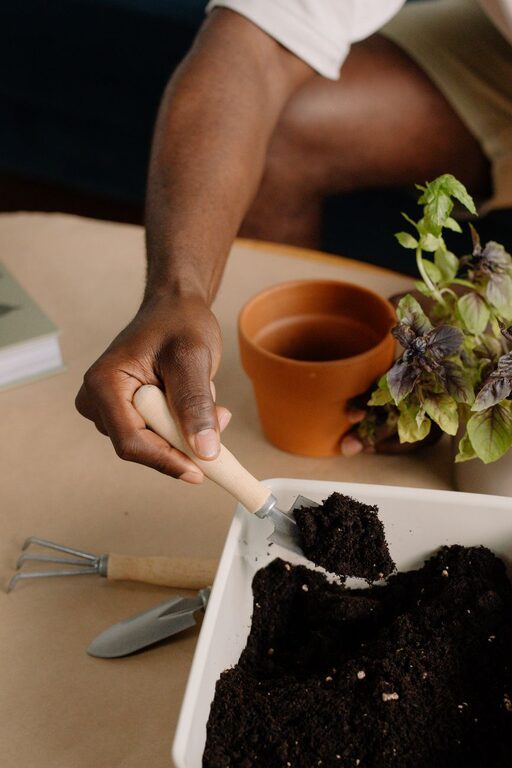
Starting a small herb garden indoors is a fantastic way to enjoy fresh, flavorful herbs year-round. Whether you have limited outdoor space or want to add a touch of greenery to your kitchen, indoor herb gardening can be simple and enjoyable. In this guide, we’ll cover everything you need to know to get started, from choosing the right herbs to caring for them daily.
Why Grow Herbs Indoors?
Growing herbs indoors offers several benefits:
– Freshness: Harvest herbs whenever you need them, ensuring the best flavor.
– Convenience: Have your favorite cooking ingredients right at your fingertips.
– Space-Saving: Ideal for apartments or homes without a garden.
– Aesthetics: Adds beauty and greenery to your living space.
– Well-being: Caring for plants can be therapeutic and improve air quality.
Choosing the Right Herbs
Not all herbs thrive equally well indoors, so selecting the right varieties is key. Here are some popular and easy-to-grow herbs for indoor gardens:
– Basil: Great for Italian dishes, loves warm, sunny spots.
– Parsley: Versatile and tolerant of less light.
– Mint: Hardy and fragrant, but best kept in a separate pot as it can spread rapidly.
– Cilantro: Prefers cooler conditions and moderate light.
– Thyme: A low-maintenance herb that enjoys bright light.
– Chives: Need moderate to high light and are great for garnishing.
Start with two or three herbs to keep it manageable. Consider your cooking preferences and the conditions in your home.
Selecting Containers and Soil
Containers
Choose containers with good drainage to prevent waterlogging. Options include:
– Terracotta pots
– Ceramic pots with drainage holes
– Recycled containers (just add holes at the bottom)
Small pots (4-6 inches) work well for individual herbs, while larger containers can accommodate several plants.
Soil
Use a high-quality potting mix formulated for indoor plants. Avoid garden soil as it might be too dense and could introduce pests.
A light, well-draining soil helps roots develop properly and prevents root rot.
Finding the Right Location
Herbs need plenty of light to grow well indoors:
– Natural Light: Most herbs require 6-8 hours of sunlight daily. Place your garden near a south or west-facing window.
– Supplemental Lighting: If natural light is insufficient, consider using LED grow lights to provide the necessary light spectrum.
Keep herbs away from drafts, radiators, or air conditioning vents to maintain stable conditions.
Planting Your Herb Garden
- **Prepare the pots** by filling them with potting soil, leaving about an inch from the top.
- **Plant seeds or seedlings** according to the instructions on the seed packet or plant tag.
- **Water lightly** after planting, keeping the soil moist but not soggy.
- **Label your pots** to keep track of different herbs.
If using seeds, some herbs like basil and cilantro germinate quickly, while others may take longer. Patience is key.
Watering and Maintenance
Watering
– Check soil moisture daily by sticking your finger about one inch into the soil.
– Water when the top inch feels dry.
– Avoid overwatering, which can cause root rot.
– Make sure excess water drains away freely.
Feeding
– Use a balanced, water-soluble fertilizer every 4-6 weeks.
– Avoid over-fertilizing; herbs prefer moderate nutrients.
Pruning and Harvesting
– Regularly trim herbs to encourage bushier growth.
– Harvest by snipping leaves or stems just above a leaf node.
– Avoid harvesting more than one-third of the plant at a time to keep it healthy.
Dealing with Common Problems
– Yellow Leaves: Usually a sign of overwatering or poor drainage.
– Leggy Growth: Often due to insufficient light; move plants to a brighter spot or add grow lights.
– Pests: Indoor plants can attract aphids or spider mites; wipe leaves with soapy water or use insecticidal soap if needed.
Tips for Success
– Rotate your pots weekly to ensure even light exposure.
– Group herbs with similar light and water needs together.
– Keep humidity moderate; if your home is very dry, mist herbs occasionally.
– Use clean tools and pots to prevent disease.
Conclusion
Starting a small herb garden indoors is both practical and enjoyable. With the right selection of herbs, containers, and care, you can have a thriving garden that enhances your cooking and living space. By following these simple steps, you’ll be well on your way to nurturing fresh herbs all year round.
Happy gardening!