
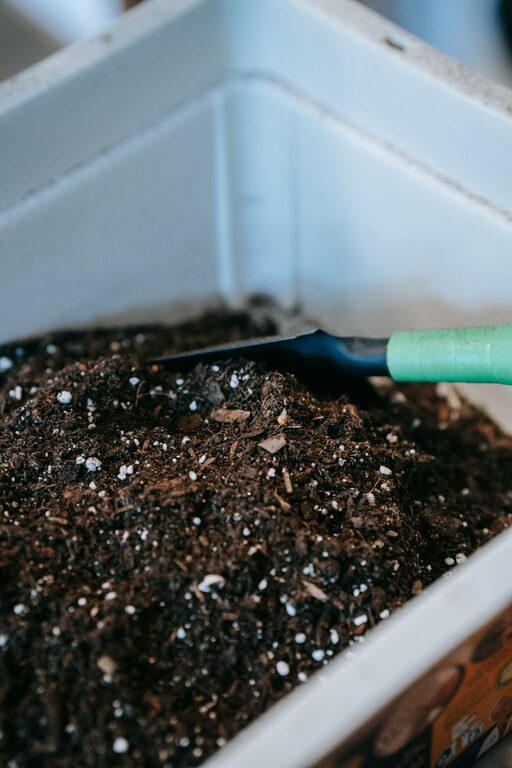
Composting at home is a rewarding way to reduce waste and create nutrient-rich soil for your garden. Whether you have a spacious backyard or a small balcony, composting can fit into your lifestyle. If you’re new to composting, this guide will provide you with beginner-friendly tips to get started successfully.
What Is Composting?
Composting is the natural process of breaking down organic materials like food scraps, leaves, and grass clippings into rich, dark soil known as compost. This compost improves soil health, helps plants grow, and reduces the amount of waste sent to landfills.
Why Compost at Home?
– Reduces waste: Diverts food scraps and yard waste from landfills.
– Improves soil: Compost adds nutrients and improves soil structure.
– Saves money: Reduces the need for store-bought fertilizers.
– Supports the environment: Lowers greenhouse gas emissions by reducing waste.
How to Start Composting at Home
1. Choose Your Composting Method
Depending on your available space and needs, you can choose from several composting methods:
– Compost Bin: Ideal for backyards. Pre-made bins or DIY options are available.
– Compost Pile: A simple pile of organic material in your garden.
– Tumbler: Rotatable bins that speed up decomposition.
– Vermicomposting: Using worms to break down food waste, great for indoors or small spaces.
2. Pick the Right Spot
Select a dry, shaded area with good air circulation for your compost bin or pile. If using a tumbler or vermicomposter indoors, place it in a convenient spot like a garage or kitchen corner.
3. Understand What to Compost
Compostable materials fall into two categories:
– Greens (Nitrogen-rich): Fruit and vegetable scraps, coffee grounds, fresh grass clippings, tea bags.
– Browns (Carbon-rich): Dry leaves, straw, paper, cardboard, wood chips.
Aim for a balance of greens and browns — roughly a 2:1 ratio by volume.
4. What NOT to Compost
Avoid adding these to your compost to prevent odor and pest problems:
– Meat, fish, dairy, and oily foods
– Pet waste
– Diseased plants
– Weeds with seeds
5. Layer Your Compost
Start with a layer of coarse browns (like twigs) at the bottom to help airflow. Then alternate between greens and browns. Keep your pile moist but not soggy.
6. Maintain Your Compost
– Turn or aerate: Every 1-2 weeks, mix the pile with a pitchfork or compost aerator to provide oxygen.
– Monitor moisture: Compost should feel like a damp sponge. Add water if dry or browns if too wet.
– Be patient: Composting can take a few months to a year depending on conditions and materials.
7. Troubleshooting Common Issues
– Bad smell: Usually caused by too much moisture or greens. Add more browns and turn the pile.
– Pests: Avoid meat and oily foods, keep the pile covered, and turn regularly.
– Pile too dry: Add water and fresh greens.
– Slow decomposition: Chop materials into smaller pieces and turn more often.
Tips for Success
– Use a kitchen compost caddy to collect scraps easily and reduce trips to your outdoor compost.
– Chop or shred materials to speed up breakdown.
– Compost in the warm months for faster results; consider indoor vermicomposting during colder months.
– Use finished compost in your garden beds, pots, or lawn for healthy plants.
Benefits Beyond the Garden
Besides enriching your soil, composting reduces your environmental impact and encourages mindful consumption. It connects you to natural cycles and can be a fun, educational activity for the whole family.
—
Starting a home composting routine might seem daunting at first, but it’s easier than you think. With these beginner tips, you can turn your organic waste into valuable compost and enjoy a greener, healthier garden. Happy composting!